
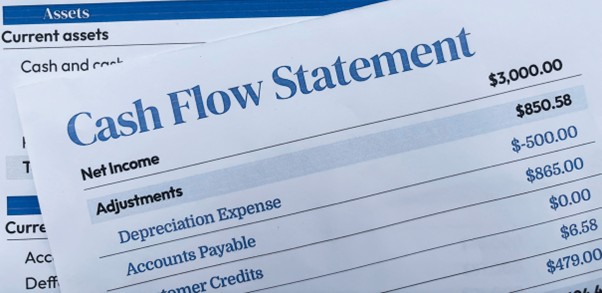
It’s no secret that cash flow management is one of the most crucial yet overlooked aspects of running a successful business. Even companies that show strong profits on paper can experience financial trouble if their cash flow isn’t properly managed. Many small and medium-sized businesses fail not because they weren’t making sales, but because they ran out of liquid cash to pay bills, employees, and suppliers when itmattered most.
At JCB Financial Services, based in Fountain Valley, California, we work with businessowners across the U.S who want to strengthen their financial strategy, stabilize operations, and improve profitability. Consistent, well-managed cash flow ensures your business can continue operating smoothly, no matter what the economy brings.
In this guide, we’ll explain why cash flow management is vital, the real-world impact it has on your business, and practical steps you can take today to secure your financial future.
What Exactly Is Cash Flow?
Cash flow refers to the movement of money in and out of your business, your cash inflows
(revenue, loans, investments) versus your cash outflows (expenses, taxes, wages, and debt payments). The goal isn’t just about having more money coming in than going out. It’s about managing the timing of those movements so you always have enough cash on hand to meet obligations. For example, a landscaping company might have a profitable summer season but still face financial strain in the winter if income slows down and they haven’t maintained a reserve. Without effective management, a temporary cash shortage could cause delayed payments to vendors, staff, or the IRS. Simply put: profit is a goal; cash flow is survivalg
Why Poor Cash Flow Management Hurts Businesses
When cash flow isn’t managed properly, the ripple effects can be severe. Even a short
disruption in liquidity can destabilize operations and damage credibility. Here are
common risks businesses face due to weak cash flow control:
- Missed or late payments.
Struggling to pay rent, utilities, or suppliers on time can harm relationships and your credit rating.
- Payroll pressure.
If cash reserves run tight, covering payroll becomes stressful and unpredictable,
which can affect team morale.
- Lost growth opportunities.
Without accessible funds, you may miss out on inventory discounts,
expansion plans, or marketing investments.
- Tax payment issues.
Businesses often underestimate their quarterly or annual tax liabilities,
leading to unexpected IRS penalties.
- Increased debt and interest costs.
Relying on short-term loans or credit cards to fill gaps raises costs and risk.
The truth is, most cash flow problems are preventable. With consistent oversight and the
right financial partner, you can manage and even anticipate these challenges before they occur.
The Relationship Between Cash Flow and Profitability
It’s common for business owners to confuse profit with positive cash flow but they
measure two different things.
Profitability reflects your financial performance over time (revenue minus expenses).
Cash flow reflects your ability to pay bills and invest in your business right now.
A company can be profitable yet experience negative cash flow due to:
- Slow-paying customers or unpaid invoices.
- Overstocked inventory tying up cash.
- Seasonal fluctuations in income.
- Poor expense management or delayed invoicing.
By regularly reviewing your cash flow statement, you gain a real-time view of money
movement, so you can spot early warning signs and respond strategically.
At JCB Financial Services, we help small business clients integrate cash flow forecasting
into their accounting systems, ensuring every decision is based on accurate,
forward-looking financial data.
Best Practices for Effective Cash Flow Management
Managing cash flow isn’t just about cutting costs, it’s about creating smart systems that
ensure consistency, visibility, and control. Here are the best practices our advisors
recommend for U.S.-based small and mid-sized businesses:
- Monitor Expenses Weekly Don’t wait until the end of the month to check your accounts. Weekly expense tracking
helps you identify cost overruns, unnecessary spending, and irregular cash drains before
they become major issues. Accounting platforms like QuickBooks Online or Xero make it
easy to generate weekly cash flow summaries in real time. - Maintain an Emergency Fund Unexpected expenses happen, equipment failures, slow seasons, or unpaid invoices.
Building a cash reserve that covers at least three months of essentials is one of the
smartest financial moves a business can make. This safety net gives you flexibility and
peace of mind. - Send Invoices Promptly and Digitally Delayed invoicing equals delayed payments. Use accounting tools or CRM systems to
automate invoicing as soon as work is complete. Setting up digital payment options
(credit/debit card, ACH, PayPal, etc.) also makes it easier for clients to pay quickly. - Implement Clear Credit Policies If you offer customers payment terms, make sure they’re clearly defined, always in
writing, and consistently enforced. Consider running credit checks on new clients before
extending large credit lines. A structured collections process helps protect your cash
position. - Keep Business and Personal Finances Separate Mixing accounts can make it almost impossible to track true business performance.
Using a dedicated business checking account and credit card ensures transparency and
simplifies tax filing at year-end. - Forecast Your Cash Flow Creating a monthly cash flow forecast helps you anticipate inflows, outflows, and
potential shortfalls before they occur. With this data, you can adjust budgets, plan
purchases, and make confident financial decisions. - Plan Ahead for Taxes Tax season shouldn’t come as a surprise. Many small businesses fall short on cash
because they fail to plan for quarterly estimated tax payments (Form 1040-ES) or federal
and state corporate taxes. Set aside funds monthly to cover these obligations and avoid
IRS penalties. Partnering with a qualified tax advisor ensures compliance and maximizes
available credits or deductions.
Leveraging Technology to Improve Cash Flow
Modern financial technology makes cash flow tracking simpler and more powerful than ever. Cloud-based accounting systems, automated invoice reminders, and AI-driven forecasting tools can save hours every week while providing deeper financial insight.
By connecting your business accounts directly to digital dashboards, you can view live cash balances, track customer payments, and instantly see who owes what, all in one place.
At JCB Financial Services, we help clients implement and optimize these systems, giving business owners a clear picture of where their money is going, when it will arrive, and how to use it more effectively.
How Professional Financial Advisors Can Help
Even if you’re a hands-on business owner, managing cash flow alongside operations, marketing, and payroll can feel overwhelming. That’s where professional financial advisors and accountants add real value.
When you partner with JCB Financial Services, our team offers:
- Cash flow analysis and projections tailored to your business goals.
- Budgeting and expense optimization to reduce waste and free up capital.
- Tax planning and preparation to ensure compliance and minimize liabilities.
- Business financing guidance, including when to use loans or lines of credit strategically.
- Year-round advisory support that evolves with your business growth.
Having experienced professionals on your side means you can make proactive financial
decisions rather than reacting to cash shortages after they happen.
Cash Flow and Tax Planning: The Smart Connection
Efficient cash flow management and tax planning go hand in hand. By tracking your income and outgoings year-round, you gain better control over when and how to pay taxes while positioning your business for potential savings.
For example:
- Making strategic purchases before year-end can lower taxable income under Section
179 deductions. - Scheduling invoices and expenses across fiscal quarters can help balance cash
availability during tax time. - Maintaining documentation and digital records simplifies filing with the IRS and
California Franchise Tax Board, ensuring accuracy and peace of mind.
At JCB Financial Services, we help clients align cash flow strategies with tax-efficiency goals so your money works harder, not just longer.
The Bottom Line
Strong cash flow management isn’t optional, it’s the heartbeat of your business. By tracking expenses regularly, maintaining reserves, invoicing promptly, and forecasting future inflows and outflows, you build the financial foundation needed to thrive in any market.
When you implement these best practices and work with a dedicated team of experts, you position your company for stability, growth, and long-term profitability.
At JCB Financial Services, we’re committed to helping businesses across Orange County and the greater United States achieve stronger financial control and confidence. Our tailored accounting, bookkeeping, and tax planning services give you the clarity and strategy to move forward with certainty.
10 Frequently Asked Questions About Cash Flow Management
-
- What is the difference between cash flow and profit? Profit measures long-term performance, while cash flow measures liquidity—how much
money you have available to spend right now. - How often should I check my business’s cash flow? Weekly reviews are recommended for small businesses. Monthly reviews work well once
your finances are stable. - What’s the main reason businesses experience cash flow issues? Usually, it comes from delayed customer payments, poor expense control, or lack of financial forecasting.
- Can profitable businesses still go bankrupt because of cash flow issues? Yes. A company can post profits but still run out of cash if income is delayed or tied up in inventory.
- How can I improve cash flow without cutting costs? Invoice faster, shorten payment terms, lease rather than buy equipment, and negotiate better supplier terms.
- Is cash flow forecasting difficult? Not if you use accounting software or work with a financial advisor to build automatic forecasts and projections.
- Should I use business credit to cover short-term cash flow gaps? It’s fine for short periods, but constant reliance on credit can increase debt risk. Plan ways to balance inflows and outflows.
- What tools are best for small business cash flow management? QuickBooks, Xero, and FreshBooks all offer cash flow tracking, projection tools, and automated invoicing.
- How does cash flow affect tax preparation? Tracking cash flow ensures you have enough liquidity to pay your IRS estimated taxes on time and maintain compliance.
- How can JCB Financial Services help my business? We offer personalized accounting, bookkeeping, and tax advisory services to help you manage cash flow effectively and build sustainable financial health.
- What is the difference between cash flow and profit? Profit measures long-term performance, while cash flow measures liquidity—how much
Take Control of Your Cash Flow Today
Every business runs on cash. The better you manage it, the stronger your business grows. If you’re unsure about where your business’s money is going—or how to plan for upcoming tax obligations—the financial professionals at JCB Financial Services are ready to help.
JCB Financial Services
Your trusted partner for cash flow management, tax planning, and business advisory
across the United States.
Book your free cash flow review session and discover how to balance your business
finances with confidence.